 Flatline Striping LLC - Pine Mountain
The Best Paint Depends on Traffic, Weather, and Surface Type
The right paint for parking lot striping depends on how the lot is used, what the pavement is made of, and how long the lines need to last. In most cases, water-based paint works well for standard lots, while tougher coatings may be better for heavy traffic or special surfaces. A good choice starts with the site conditions, not just the color in the can.
Quick Decision Answer
If you are choosing between paint types, start with three simple questions. How busy is the lot? What kind of surface are you painting? How fast do you need the area back in service? For many asphalt lots, standard traffic paint is a solid pick because it dries fast and gives clear lines. For areas with more wear, a stronger coating may last longer and reduce touch-ups.
This choice also affects safety and appearance. Fresh, bright markings help drivers park straight and help people walk safely. That is why the paint should match the job, not just the budget or the fastest option.
Option a Vs Option B Criteria
A common choice is water-based traffic paint versus more heavy-duty coatings like epoxy or other durable systems. Each one has a different use case. Parking lot striping on a small retail lot may not need the same product used at a busy warehouse.
- Water-based traffic paint: fast drying, easy to apply, good for standard asphalt lots
- Oil-based or solvent-based options: used less often, but may help in some site conditions
- Epoxy or durable coatings: stronger bond, longer life, better for high-wear areas
- Reflective paint systems: helpful where night visibility matters
You should also check the pavement age. New asphalt can act differently than older pavement. Concrete can need a different paint than asphalt. Weather also matters. Very hot days, wet surfaces, or cold nights can affect how well the striping paint sticks and dries.
Pros and Cons List
Each paint type has good points and weak points. A simple side-by-side view can help narrow the choice.
- Water-based paint pros: lower odor, quick drying, common for routine parking lot striping jobs
- Water-based paint cons: may wear faster in high-traffic zones
- Epoxy pros: strong finish, long life, handles wear well
- Epoxy cons: higher labor needs, longer cure time on some jobs
- Heavy-duty coatings pros: useful for loading zones, drive lanes, and sharp turns
- Heavy-duty coatings cons: may cost more in time and prep work
Color matters too. White and yellow are common, but the paint still needs to meet visibility needs. Some lots also need blue, red, or other marked areas for access, fire lanes, or special use spaces. A paint that fades too fast can lead to confusion and a worn-down look.
Best Fit by Scenario and User Need
Different properties need different results. A church lot used twice a week may do fine with a standard striping product. A medical office with daily traffic may need brighter, longer-lasting paint. An industrial yard with trucks turning all day often needs a tougher coating in key areas.
- Choose standard traffic paint for light to medium vehicle use.
- Choose stronger coatings for heavy traffic, truck routes, or loading spaces.
- Choose paint made for concrete if the lot is not asphalt.
- Choose reflective or high-visibility options if the site is active at night.
- Choose quick-dry products when lot downtime must stay short.
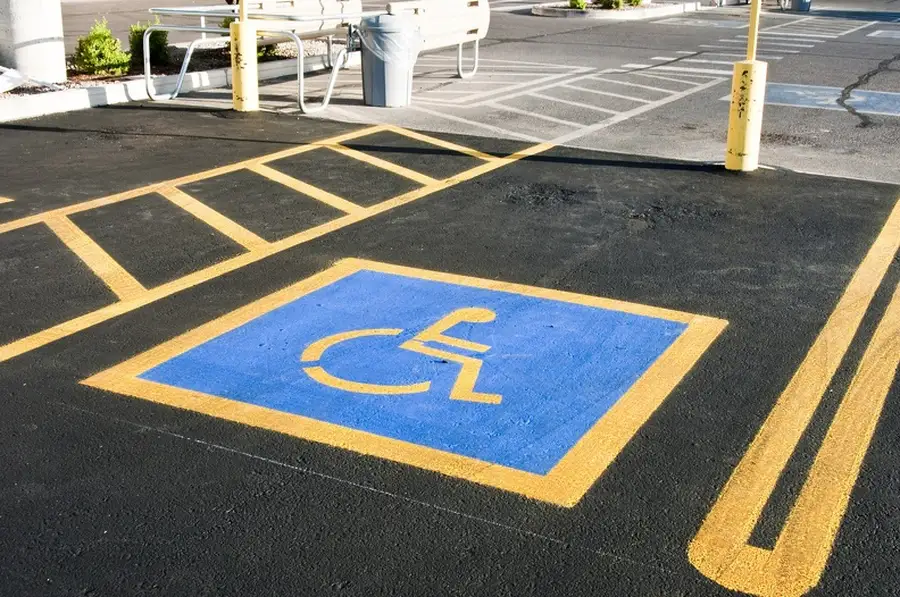
If the lot has many ADA spaces, arrows, stop bars, and crosswalks, the product should hold crisp edges. Clean lines matter because drivers and pedestrians rely on clear markings. This is also where service category keyword choices, like pavement marking systems, can affect the final result.
Mistakes People Make When Choosing
One common mistake is picking paint by price alone. Cheap paint that fades quickly can lead to more repainting. Another mistake is ignoring surface prep. Even good paint can fail if the pavement is dirty, oily, or damp.
Some property owners also choose one paint for the entire lot when only a few areas really need extra strength. For example, regular stall lines may be fine with standard paint, while entrances and fire lanes may need something more durable. Using the same product everywhere is not always the smartest move.
A third mistake is rushing the job after sealcoating. Fresh sealer needs proper cure time before parking lot striping begins. If paint goes down too early, lines may peel or wear unevenly. That creates more work later and can shorten the life of the markings.
Final Decision Checklist
Before a final choice is made, run through this simple checklist:
- Is the surface asphalt or concrete?
- How much daily traffic uses the lot?
- Are cars the main users, or are trucks involved too?
- Does the area need quick dry times?
- Is night visibility a big concern?
- Are there special markings like ADA spaces or fire lanes?
- Has the surface been cleaned and prepared the right way?
- Will local weather affect drying or bond strength?
These questions help narrow the best paint choice without guessing. A smart match between paint, surface, and traffic can help the striping stay brighter and last longer.
Final Recommendation
For property owners in Pine Mountain, GA, we can help review the surface, traffic level, and marking needs before any work begins. At Flatline Striping LLC - Pine Mountain, we match our paint choices to the lot instead of using the same product on every job. If you want help planning your next striping project, call us at (762) 257-5765 and we will help you choose a finish that fits your site.