 Flatline Striping LLC - Pine Mountain
Fixing Worn Pavement Helps Water Move off the Surface Faster and More Evenly
How asphalt repair can improve surface drainage is simple: it fixes low spots, cracks, and rough areas that trap water. When the pavement is smooth and shaped the right way, rain can flow to drains, edges, or safe runoff areas instead of sitting on top. In places like Pine Mountain, GA, this can help cut down on puddles, slips, and faster surface wear.
Quick Diagnosis Summary
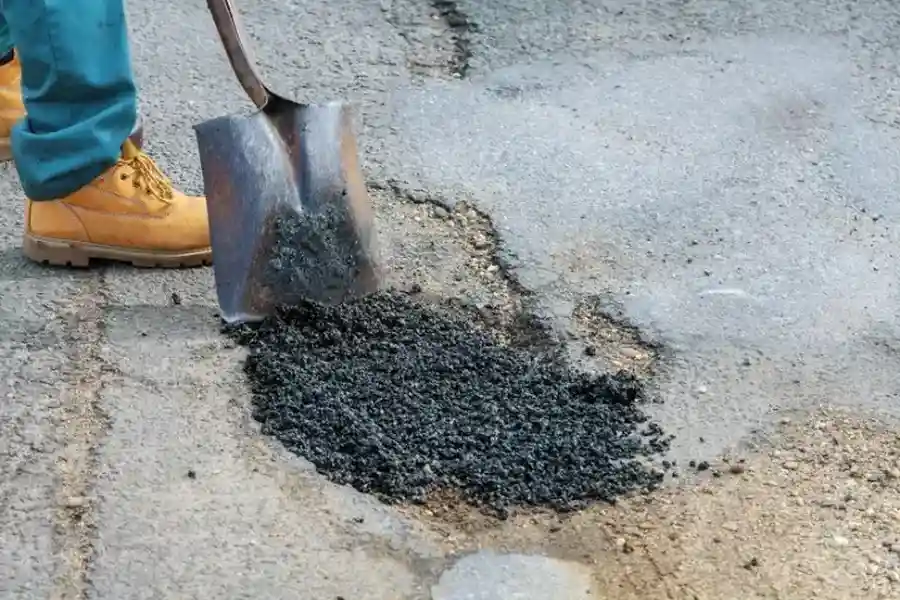
Bad drainage often starts with damaged pavement. Small cracks let water sink below the surface. Sunken spots hold rain after every storm. Broken edges can stop water from leaving the paved area. asphalt repair helps by restoring slope, closing openings, and creating a cleaner path for runoff. In many cases, the drainage issue is not the drain alone. The pavement shape is often part of the problem too.
Common Symptoms
You can usually spot drainage trouble without special tools. The signs tend to show up after rain, after snow melt, or after sprinklers run. Some signs seem minor at first, but they can lead to bigger damage over time.
- Puddles that stay for hours or days
- Water collecting in wheel paths or low spots
- Cracks that grow wider after wet weather
- Loose gravel near broken pavement edges
- Dark wet patches that never seem to dry
- Slippery spots from algae or grime
If these signs keep showing up, the surface may not be draining the way it should. That is often the point where asphalt repair becomes a smart next step.
Likely Causes
Drainage problems can come from more than one source. In some cases, the paved area was not sloped enough from the start. In other cases, years of traffic and weather slowly changed the surface. Heavy vehicles can press asphalt down and create dips. Water can then settle into those dips and make them worse. Freeze and thaw cycles can also open small cracks and shift the base below the pavement.
Another common cause is poor surface upkeep. If cracks are left open, water gets under the pavement. That weakens support below and can lead to sinking. Clogged drains or blocked curbs can add to the issue, but even with clear drainage points, damaged pavement can still trap water. The service category keyword may be broad, but in real property care, drainage and pavement condition often go hand in hand.
What to Check First
Before making a repair plan, it helps to look at the surface during or right after rain. That is when the water path is easiest to see. Try to find where water starts to collect and where it should be going instead.
- Look for puddles and mark their size.
- Check for cracks around wet areas.
- See if the surface slopes away or toward buildings.
- Inspect edges, drains, and curb lines for blockages.
- Notice if one area sinks more than the rest.
This basic check can show if the problem is surface damage, blocked drainage, or both. It also helps show whether a simple patch may work or if a larger repair is needed.
Safe Fixes Vs Pro-Level Fixes
Some small steps are safe for a property owner or manager. Cleaning debris from drains, sweeping sediment, and watching how water moves can help. Filling a very small crack may also help slow future damage if done early. But drainage problems often involve slope and grade. That is where pro-level work matters most.
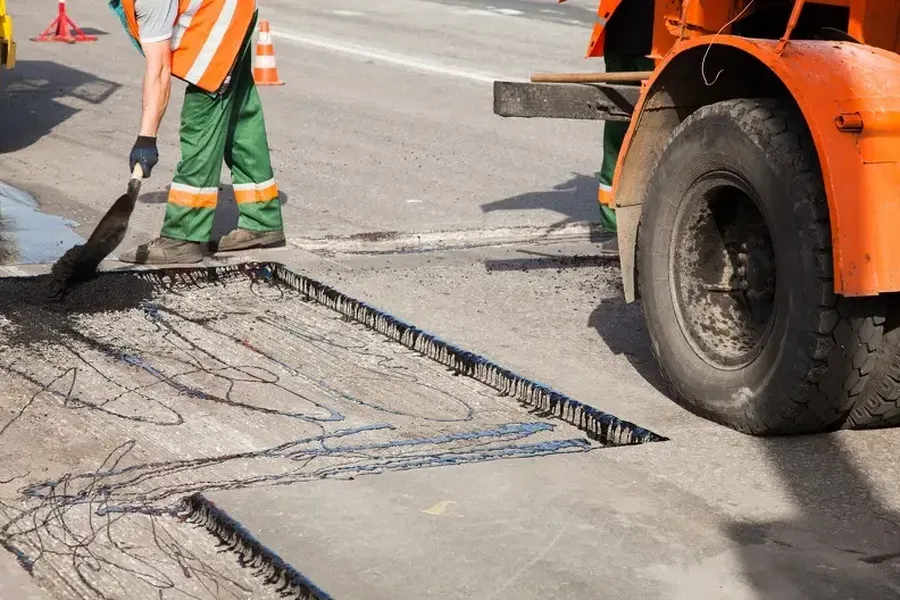
Professional asphalt repair can reshape low areas, patch failed spots, seal cracks, and restore smoother water flow. If the base under the asphalt is weak, the damaged section may need to be removed and rebuilt. A surface patch alone may not last if the support below has already failed. When standing water keeps coming back in the same place, that is a sign the fix may need more than a quick surface touch-up.
Prevention Tips
Once drainage improves, regular care helps keep it that way. Water damage tends to grow slowly, then all at once. A simple routine can make a big difference.
- Seal cracks before rainy seasons
- Keep drains and edges clear of dirt and leaves
- Check low spots after major storms
- Limit heavy vehicle parking on weak areas
- Schedule surface inspections once or twice a year
These steps help stop small flaws from turning into wide cracks, potholes, or soft spots. Better drainage also helps the surface last longer and stay safer for walking and driving.
Final Recommendation
If water sits on pavement often, do not ignore it. The longer it stays, the more damage it can cause. asphalt repair can improve drainage by correcting the surface shape and sealing places where water gets in. In Pine Mountain, GA, fast action can help protect pavement from more wear after storms and daily use. For help with problem areas, we invite you to call (762) 257-5765. At Flatline Striping LLC - Pine Mountain, we can inspect the surface, explain the issue clearly, and help you decide on the next step that fits your property.