 Flatline Striping LLC - Pine Mountain
A Protective Layer Helps Pavement Last Longer by Blocking Damage
Sealcoating helps pavement last longer by adding a thin защитive layer over asphalt. This layer helps block water, sun, oil, and daily wear. Over time, those things break down the surface and lead to cracks, fading, and potholes. When done at the right time, sealcoating slows that damage and helps pavement in Pine Mountain, GA stay in better shape for more years.
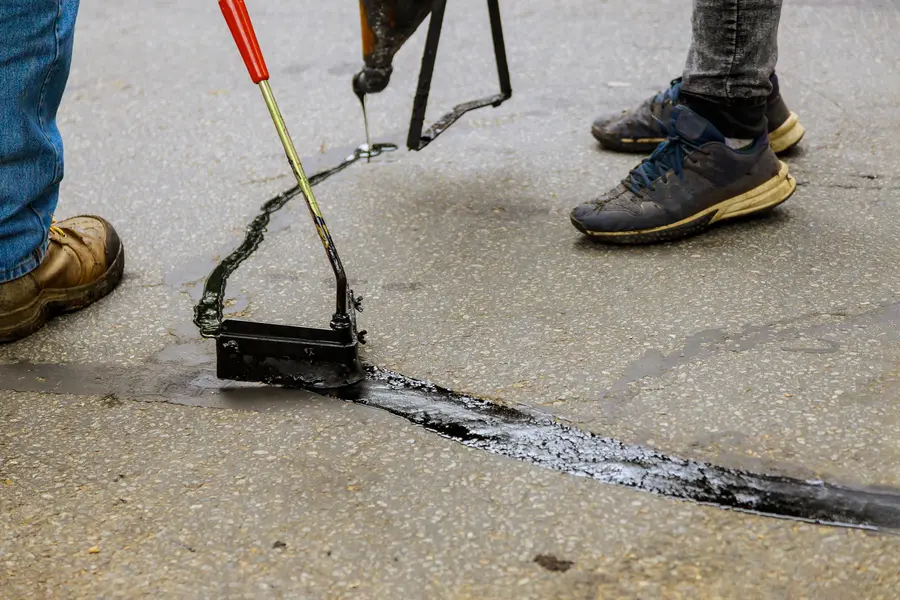
Why Prevention Matters
Asphalt does not stay strong forever. Sun dries out the surface. Rain can seep into small weak spots. Cars and trucks press down on the same areas every day. Gas and oil spills can also soften parts of the pavement. Small problems often start at the top. If the surface is left bare, those problems grow faster.
Sealcoating works like a shield. It covers the top layer and reduces contact with water, air, and chemicals. It also helps the pavement keep some of its flexible surface, which matters during hot summers and cold winters. This simple maintenance step can help delay larger asphalt repairs.
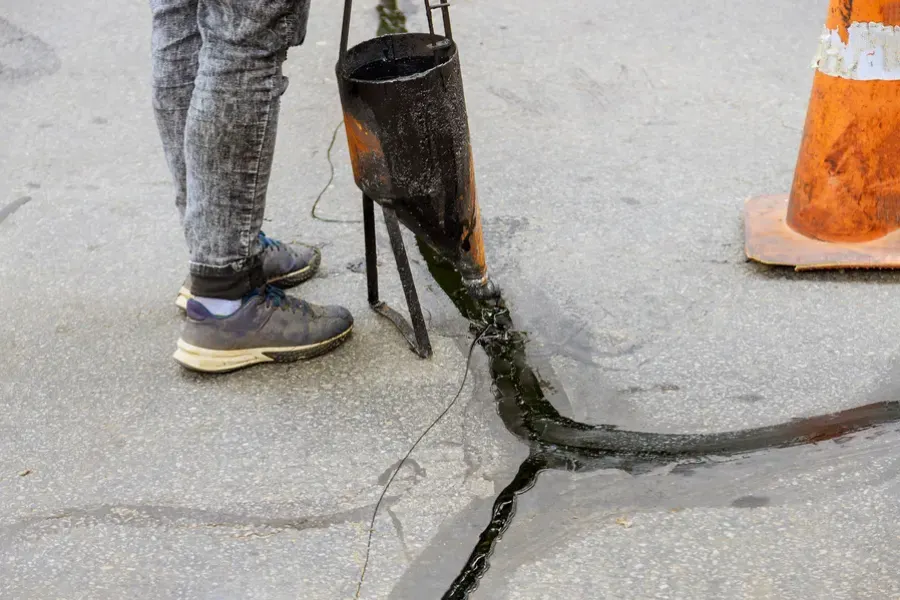
Early Warning Signs
You do not have to wait for major damage to show up. In fact, the best time for sealcoating is often before cracks get too large. A driveway or parking lot will usually give a few signs that it needs help.
- The color looks faded from black to gray
- The surface feels rough or dry
- Small cracks start to appear
- Water does not run off well
- There are spots from oil or fuel spills
- The pavement looks worn in traffic lanes
These signs mean the top layer is losing strength. Once that happens, water can seep deeper into the pavement. That is when bigger damage starts to form.
Seasonal or Routine Checklist
A simple care plan helps pavement last longer. Property owners do not need to do everything at once, but they should keep up with a few routine steps during the year.
- Check the surface every spring for new cracks or worn spots.
- Clean off dirt, leaves, and standing debris.
- Wash away oil and gas spots when possible.
- Fill small cracks before water gets inside.
- Watch low spots where water sits after rain.
- Plan sealcoating on a regular schedule based on use and weather.
Busy parking lots may need attention sooner than a small home driveway. A surface with heavy traffic, delivery trucks, or sharp turning tires will wear faster. Local weather also makes a difference. In areas with strong sun, freezing nights, or heavy rain, the surface may age faster than expected.
Best Practices for Long-Term Results
Good results depend on timing, prep work, and the condition of the pavement. sealcoating is not a fix for deep structural damage. It works best as part of a long-term care plan. If the asphalt is already full of wide cracks, soft spots, or potholes, repairs usually need to happen first.
For the best long-term result, the surface should be clean and dry before any coating goes down. Cracks should be treated early. Fresh asphalt also needs time to cure before it is coated. Putting a protective layer on too soon or too late can shorten its value.
It also helps to limit damage between service visits. Heavy loads in one small area, poor drainage, and chemical spills can all shorten pavement life. Even a strong surface will break down faster if water keeps pooling in the same place.
What Not to Do
Many pavement problems get worse because people wait too long or use the wrong fix. A few common mistakes can cut years off the life of asphalt.
- Do not coat over dirt, loose debris, or standing water
- Do not ignore growing cracks
- Do not treat sealcoating like a repair for deep holes
- Do not apply it during poor weather conditions
- Do not skip basic cleaning and crack care
Another mistake is thinking a dark color means the pavement is fully protected forever. The fresh look is nice, but the real value comes from regular upkeep over time. One visit helps, but a full maintenance plan helps more.
When to Schedule Professional Help
Some jobs are small, but many surfaces need a trained eye. A professional should check the pavement if you see wide cracks, crumbling edges, drainage trouble, or early potholes. Commercial lots also need careful planning so the coating cures well and traffic can return at the right time.
Professional help also makes sense when you want a full surface review. A trained crew can spot weak areas, suggest repairs, and help set a schedule that fits the age and use of the pavement. That keeps small problems from turning into expensive ones later.
Get the Right Help for Longer-Lasting Pavement
If your pavement in Pine Mountain, GA is starting to fade, crack, or wear down, now is a good time to act. At Flatline Striping LLC - Pine Mountain, we help property owners protect asphalt with practical care that fits the surface and its condition. Call us at (762) 257-5765 to talk with our team and set up the next step.