 Flatline Striping LLC - Pine Mountain
How a Protective Coating Helps Asphalt Last Longer
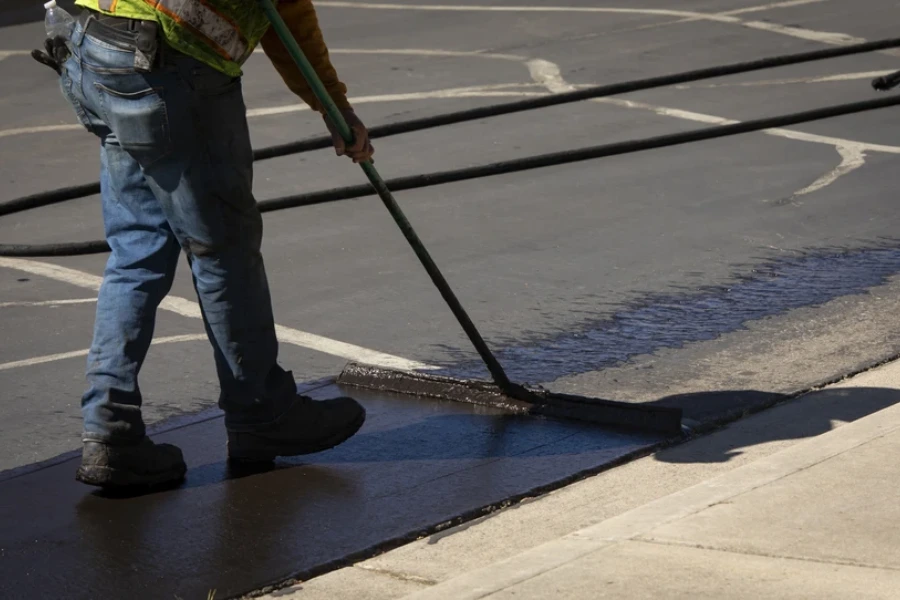
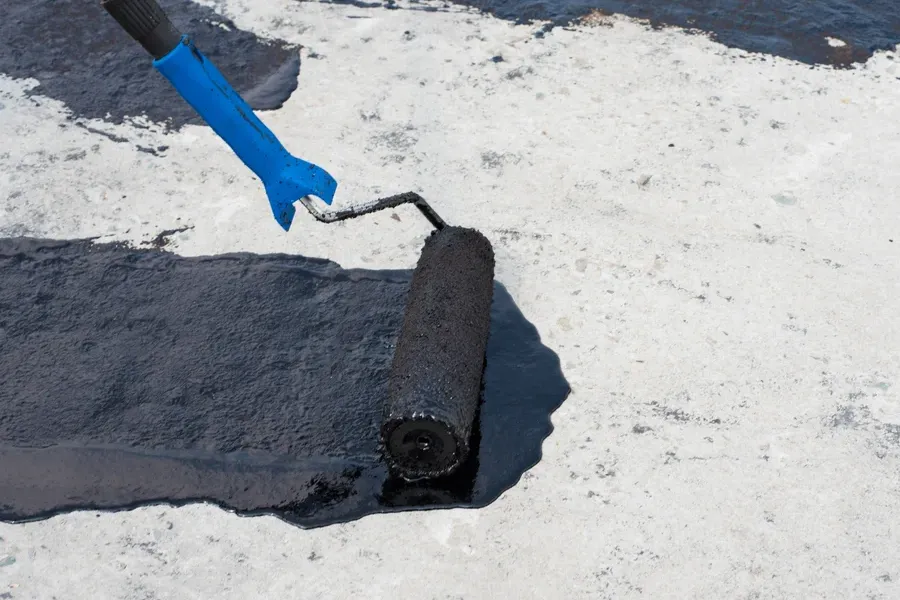
Sealcoating protects asphalt surfaces by adding a thin barrier over the pavement. This barrier helps block water, sun damage, oil spots, and daily wear from cars and foot traffic. Without that added layer, asphalt can dry out, fade, crack, and break apart faster. For driveways, parking lots, and other paved areas, regular care can help the surface stay smoother, darker, and stronger for more years.
Quick Answer
Prevention matters because asphalt faces damage every day. Rain can seep into small openings. Hot sun can dry out the surface. Gas, oil, and other spills can weaken the binder that holds asphalt together. sealcoating helps slow that damage. It does not fix major structural problems, but it can help protect pavement that is still in fair to good shape.
Early Warning Signs
Many property owners wait too long before taking action. Small changes often show up before major damage starts. If you spot these signs early, you may be able to stop bigger repairs later. This can apply to residential and commercial paving work alike, even across a broad service category.
- Color fading from deep black to dull gray
- Small surface cracks
- Dry, rough texture
- Oil or fuel stains that soak in
- Water sitting in weak spots
- Loose grit at the surface
These signs suggest that the top layer is losing strength. Once the surface becomes brittle, cracking can spread faster. Water then finds more ways to enter and cause trouble below the top layer.
Seasonal or Routine Checklist
A simple routine can help asphalt stay in better condition. The goal is to catch wear early and keep the surface clean and protected. Property owners do not need a complex plan, but they do need a steady one.
- Inspect the surface in spring and fall.
- Look for new cracks, stains, and low spots.
- Sweep away dirt, leaves, and loose debris.
- Clean up oil and chemical spills soon.
- Check that water drains away well.
- Repair small cracks before they grow.
- Plan for sealcoating when the surface is ready.
This kind of routine helps you see problems before they become expensive repairs. It also helps you judge whether the pavement only needs fresh protection or if it needs patching first.
Best Practices for Long-Term Results
The best long-term results come from timing and surface prep. sealcoating works best on asphalt that is clean, dry, and in decent shape. If cracks, potholes, or drainage problems are ignored, the new protective layer will not last as well. A coating should go over a stable surface, not one that is already failing.
It also helps to keep traffic off the surface until the coating cures. If cars return too soon, the finish may scuff, track, or wear unevenly. Good weather matters too. Dry conditions and mild temperatures usually help the product set better.
Another smart step is pairing surface protection with crack filling when needed. Cracks let water move below the surface, where it can weaken the base. If water gets under the asphalt and then freezes, it can expand and make damage worse. A protected top layer and sealed cracks often work better together than either one alone.
What Not to Do
Some mistakes can shorten the life of the pavement or the protective coating. A common one is applying sealcoating too late, after major cracking has already spread. Another is treating it like a repair for deep holes or soft areas. It is a protective step, not a cure for every paving issue.
- Do not coat over standing water or damp pavement
- Do not ignore cracks before application
- Do not apply it during poor weather
- Do not drive on it before it dries
- Do not assume every dark surface is structurally sound
It is also a mistake to skip cleaning. Dirt, dust, and stains can keep the coating from bonding well. If the bond is weak, wear may show up sooner than expected.
When to Schedule Professional Help
Professional help makes sense when the pavement has several issues at once. If you see long cracks, crumbling edges, low areas that hold water, or a surface that has become very rough, an expert inspection can help. A trained crew can tell whether the asphalt is a good fit for sealcoating or if repairs should come first.
This is also helpful for larger drive lanes and parking areas where timing, traffic flow, and even application coverage matter more. A pro can also spot hidden problems, like drainage trouble or weak spots that may not be obvious at first glance. That kind of planning can help the protective layer last longer and look more even.
Get the Right Help for Your Pavement
If your pavement in Pine Mountain, GA is starting to fade, crack, or lose its smooth finish, we can help you figure out the next step. At Flatline Striping LLC - Pine Mountain, we provide practical guidance and quality surface care based on the condition of the asphalt. Call us at (762) 257-5765 to talk with our team and schedule service that fits your property.