 Flatline Striping LLC - Pine Mountain
Why Dense, Even Layers Help Pavement Last Longer
Proper compaction is one of the biggest reasons a paved surface lasts for years instead of breaking down early. When asphalt paving is compacted the right way, the surface becomes tighter, stronger, and better at handling traffic, rain, and temperature changes. Without good compaction, air pockets stay trapped in the mix. Those small gaps can lead to cracks, ruts, and weak spots that show up much sooner.
Quick Answer
The main job of compaction is to press hot asphalt into a dense, even layer. That dense layer helps keep out water and gives the pavement the strength it needs. In asphalt paving, poor compaction often leads to short pavement life, even if the materials are good. A well-compacted surface can better resist wear from cars, trucks, and daily use. This applies to driveways, parking lots, roads, and other surfaces in the service category keyword.
What You Need Before Starting
Before compaction begins, the crew needs the right mix, the right temperature, and the right equipment. The asphalt must be placed and rolled while it is still hot enough to move and bind well. If it cools too fast, it becomes harder to compact and may not reach the needed density. The base under the asphalt also matters. If the stone base is soft, wet, or uneven, the finished surface may fail even if the top layer looks smooth at first.
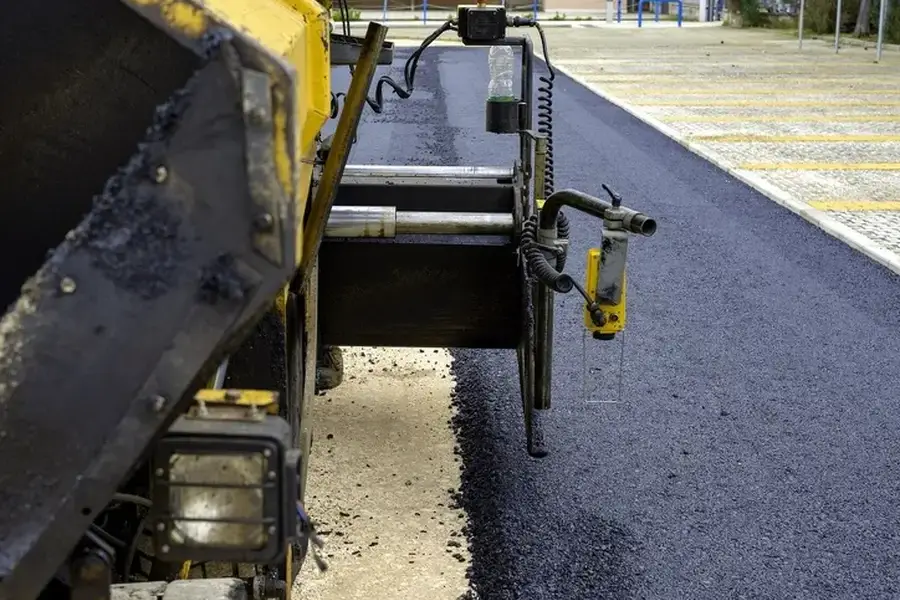
Roller size, roller weight, and timing all play a part. The crew also needs a plan for how many roller passes to make and where to start and stop. Small details can make a big difference in the final result.
Step-by-Step Process
Proper compaction follows a simple pattern, but each step matters.
- Prepare the base so it is firm, level, and well-drained.
- Place the asphalt mix at the right thickness.
- Start rolling while the mix is in the right temperature range.
- Use steady roller passes with slight overlap.
- Compact edges and joints well to stop weak seams.
- Check the surface for smoothness and density.
- Finish rolling before the mix cools too much.
Each pass of the roller removes air voids and helps the aggregate lock together. If any step is rushed, skipped, or delayed, the paved area may not perform as expected.
Common Mistakes to Avoid
One common mistake is waiting too long to begin rolling. Asphalt cools fast, and once it drops below the best working range, compaction becomes less effective. Another mistake is using too few roller passes. This can leave hidden weak spots under a surface that looks fine on day one.
Bad joint work is another issue. Where one section meets another, the seam must be tight and fully compacted. If not, water can enter and wear down the edge. Overworking the mix can also cause trouble. Too much rolling at the wrong stage may push material out of place or leave marks on the surface.
Some people focus only on the top layer and forget about the base below. That often leads to sinking, shifting, or cracking later. Good asphalt paving is not just about the finish you see. It is also about the support under it.
When to Call a Professional
Small patch jobs may seem simple, but compaction is harder than it looks. A professional should handle the work when the surface will carry regular traffic, when drainage is a concern, or when the paved area is large. Commercial lots, long driveways, and loading areas all need the right compaction plan.
You may also need expert help if an older surface already shows rutting, cracking, or loose areas. Those problems can point to deeper issues in the base or in past installation work. A skilled crew can check density, mat thickness, slope, and joint quality before bigger damage spreads.
Final Recommendation
If you want pavement that lasts, do not treat compaction like a minor step. It is one of the main parts of the whole job. Good materials matter, but proper rolling, timing, and base prep matter just as much. In many cases, the long-term life of asphalt paving depends on how well the surface was compacted on installation day. If you are planning a new project or dealing with pavement problems in Pine Mountain, GA, reach out to a qualified team that can inspect the site and explain the best next steps.
Get Help With Your Next Project
At Flatline Striping LLC - Pine Mountain, we help property owners make smart choices for longer-lasting paved surfaces. If you are seeing weak spots or planning work in Pine Mountain, GA, call us at (762) 257-5765 and we will help you decide the next step.