 Flatline Striping LLC - Pine Mountain
What Curing Means and How to Help a New Surface Last Longer
The asphalt curing process takes time, even after a driveway or parking area looks dry. In simple terms, curing is when the surface keeps hardening as oils slowly leave the mix. During this time, asphalt paving can still be marked, bent, or damaged if it gets too much weight or stress too soon. Good care in the first days and weeks helps the surface stay smooth, strong, and easier to maintain.
Why Prevention Matters
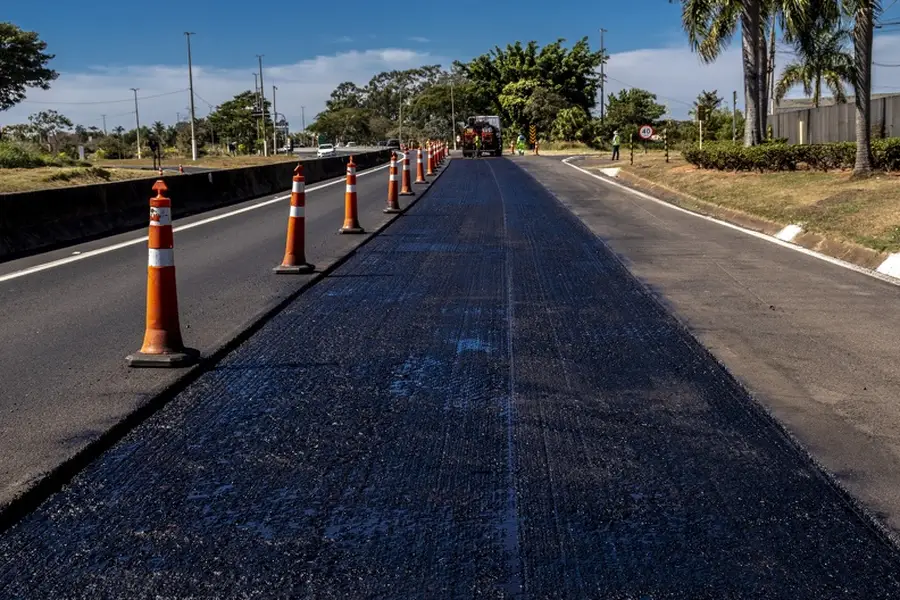
Fresh asphalt looks solid fast, but it is still settling and hardening. That is why early care matters so much. A new surface that gets the right care can resist cracks, dents, and early wear better over time. Without that care, soft spots may form, edges may break, and tire marks may stay in place. This applies to homes, small lots, and larger commercial surfaces in the service category keyword of general paving and repair work.
Heat, sun, rain, and traffic all affect how fast curing happens. Warm weather can help the surface set, but very hot days can also make it softer at first. Heavy trucks, sharp turns, and parked trailers can press into new pavement before it is ready. That is why a little patience at the start can save a lot of trouble later.
Early Warning Signs
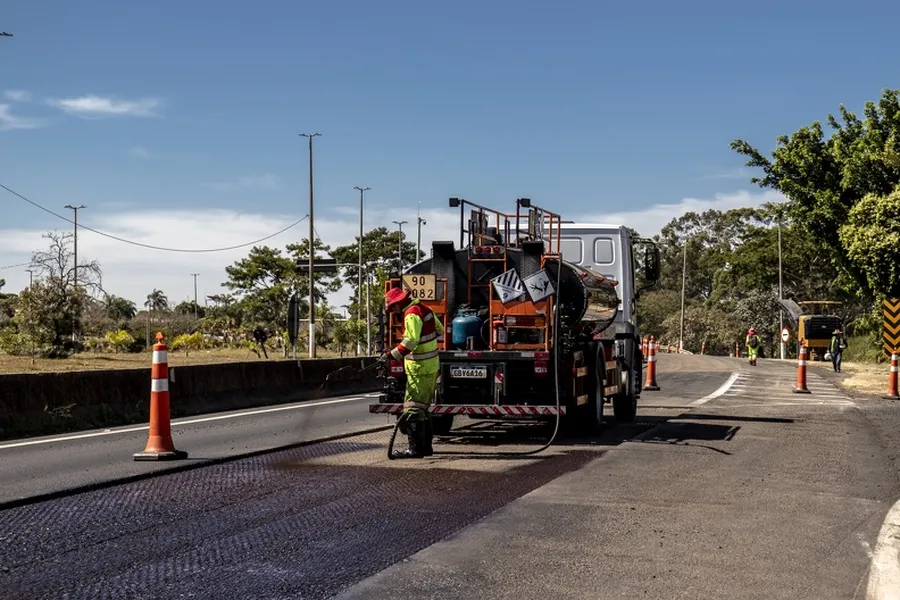
Some changes during curing are normal, but a few signs tell you the surface may need more care. Fresh pavement often looks dark black at first. Over time, it changes to more of a charcoal gray as it cures. That color shift is expected. What is not normal is damage from early use or poor habits.
Watch for these warning signs:
- tire marks that stay after a car moves
- small dents from kickstands or narrow tires
- scuffed spots from hard turning
- soft edges that crumble
- low spots where water starts to sit
- fine cracks that show up too soon
If you spot these issues early, you can change how the area is used and help limit more damage.
Seasonal or Routine Checklist
A simple care routine makes a big difference during the curing period and after. The first few days are the most sensitive. The first month also matters because the pavement is still gaining strength.
Use this basic checklist:
- stay off the surface for the time recommended after installation
- keep heavy vehicles off new pavement for as long as possible
- park in different spots so one area does not get all the weight
- avoid sharp turns while the vehicle is not moving much
- do not place dumpsters, trailers, or heavy equipment on fresh asphalt
- keep gas, oil, and chemical spills cleaned up quickly
- sweep away dirt and leaves so water can drain well
- check after rain to see if puddles remain too long
In hot weather, be extra careful with motorcycles, delivery trucks, and anything with small wheels or stands. In cooler months, curing may take longer, so gentle use still matters.
Best Practices for Long-Term Results
Good care does not stop after the first week. Long-term results come from simple habits and timely upkeep. Keep the surface clean so dirt and debris do not hold moisture. Make sure water flows away instead of pooling. Standing water can wear down pavement and lead to cracks.
Sealcoating may help protect the surface after it has had enough time to cure. This should not be done too early. Applying a protective coat before the pavement is ready can trap oils and cause problems. A professional can help decide the right timing based on weather, traffic, and the condition of the surface.
It also helps to protect the edges. The edges of asphalt paving are often the weakest part because they do not have support on both sides. Avoid driving off the edge, and do not let heavy loads sit there. If the surface serves a business lot, set traffic flow patterns that reduce hard turns and stop-and-go pressure in one spot.
What Not to Do
Many early problems happen because people treat new pavement like old pavement. That can lead to marks, dips, and shorter life. A few common mistakes are easy to avoid.
- do not turn the steering wheel hard while sitting still
- do not park heavy trucks on new pavement too soon
- do not use metal blades or sharp tools on the surface
- do not let spills sit for long periods
- do not install sealcoat before the surface has cured enough
- do not ignore drainage problems after storms
Another mistake is thinking all cracking means the same thing. Some minor surface changes happen with age, but early cracking can point to poor drainage, weak support below, or too much weight too soon. Fast action often prevents a larger repair later.
When to Schedule Professional Help
Some care steps are easy for a property owner, but other issues need trained help. If water keeps pooling, the grade may need work. If deep ruts, large cracks, or crumbling edges appear, the problem may go beyond normal curing. A paving professional can inspect the surface and spot whether the issue comes from traffic load, drainage, base movement, or early wear.
Professional help also makes sense when the surface covers a large area or gets daily business traffic. Parking lots, private roads, and loading areas often need a plan for traffic control, maintenance timing, and future repairs. Getting help early can extend the life of the pavement and reduce bigger fixes later.
Get Help With Your Pavement
If you have questions about new pavement care in Pine Mountain, GA, we are happy to help. Our team at Flatline Striping LLC - Pine Mountain can inspect the surface, explain what looks normal, and suggest next steps that fit your property. Call us at (762) 257-5765 to talk with us about asphalt paving, curing time, and smart maintenance plans.